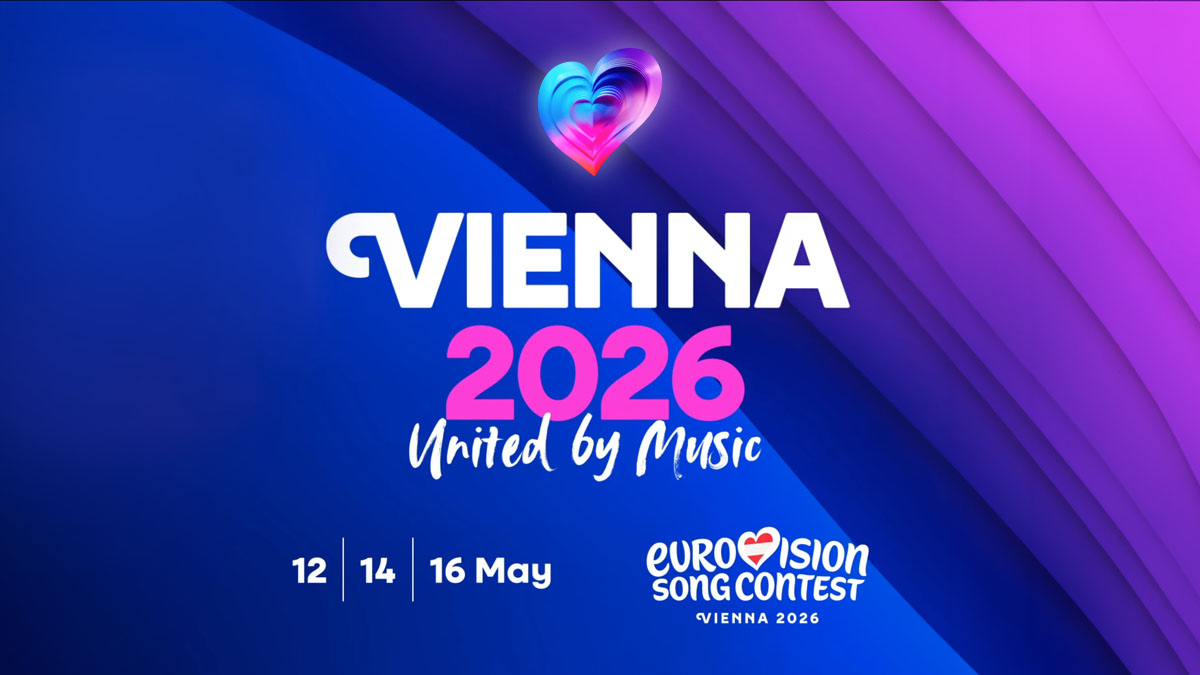
ORF confirms interval acts for Eurovision 2026 in Vienna, including JJ and Lordi, while Finland remains the favorite to win in May.
Exactly 11 months and one day have passed since the singer JJ took the Eurovision stage during the Grand Final, performing “Wasted Love” and securing Austria’s third victory, 11 years after its previous win. In exactly one month, on Saturday, May 16th, 25 hopeful contestants from 25 nations will attempt to replicate that success and bring Eurovision 2027 to their home countries. Ahead of the event, the following is a compilation of the most important information regarding the Grand Final and the wider competition, including the running orders, betting favorites, and interval performances.




Eurovision 2026: Full Schedule
The Eurovision Song Contest 2026 will take place in May, as tradition dictates. The exact dates are as follows:
- First Semi-Final: Tuesday, May 12th, 2026.
- Second Semi-Final: Thursday, May 14th, 2026.
- Grand Final: Saturday, May 16th, 2026.
Beyond the competition itself, Vienna will host various side events, including fan parties, public viewing areas, and rehearsals open to the general public. Eurovision fans can expect an extraordinary cultural and musical experience:
-
Eurovision Village: The central hub will be located at Rathausplatz in Vienna, offering live performances, public screenings, food stalls, and various contest-related events. Entry is free, and activities will run daily from May 10th to May 17th.
-
City-Wide Events: From opening parties at the EuroClub to street performances, Vienna will host events for all ages, accessible even to those without tickets for the main shows.
The Favorites: Who is Leading the Odds?
According to current betting odds, these are the top five countries leading the list of favorites to win this year:
-
Finland – The song “Liekinheitin” (in English: “Flamethrower”), performed by Linda Lampenius x Pete Parkkonen, broke records in Finland and became the clear favorite after winning the national selection. Finland currently has an estimated 30% chance of taking home a second victory.
-
France – The entry “Regarde!” (in English: “Look!”), performed by Monroe, is an emotional operatic ballad combining delicate piano with a powerful operatic chorus. France has an 11% chance of achieving its sixth victory.
-
Denmark – Singer Søren Torpegaard Lund with the song “Før vi går hjem” (in English: “Before we go home”) will attempt to secure the win with an energetic electro-pop track. Denmark holds a 10% chance of winning.
-
Australia – The song “Eclipse” is performed by the successful Australian singer Delta Goodrem. The entry is a powerful ballad that builds as the song progresses. Bookmakers give Australia an 8% chance of earning its first victory.
-
Greece – Another entry to watch is “Ferto” (in English: “Bring it”), performed by Akylas. The song is an upbeat and joyful electronic pop track with a 7% chance of winning.
Eurovision 2026 Semi-Finals: Full Running Order
Thirty countries will compete in the two semi-finals, which will be held on Tuesday, May 12th, and Thursday, May 14th. Out of these, only 20 will qualify for the Grand Final held on the Saturday of that week. This year, for the third consecutive time, the Big 4 – United Kingdom, France, Germany and Italy, and the host nation Austria will present their songs during the semi-finals. This year, following criticism from several national broadcasters, juries will return to vote in the semi-finals, only three years after the decision to allow a 100% public vote.
First Semi-Final – May 12th, 2026:
- Moldova
- Sweden
- Croatia
- Greece
- Portugal
- Georgia
- Finland
- Montenegro
- Estonia
- Israel
- Belgium
- Lithuania
- San Marino
- Poland
- Serbia
- Italy will perform after Georgia (song number 6) and before Finland (song number 7).
- Germany will perform after Israel (song number 10) and before Belgium (song number 11).
Second Semi-Final – May 14th, 2026:
- Bulgaria
- Azerbaijan
- Romania
- Luxembourg
- Czechia
- Armenia
- Switzerland
- Cyprus
- Latvia
- Denmark
- Australia
- Ukraine
- Albania
- Malta
- Norway
- France will perform after Czechia (song number 5) and before Armenia (song number 6).
- Austria will perform after Cyprus (song number 8) and before Latvia (song number 9).
- United Kingdom will perform after Ukraine (song number 12) and before Albania (song number 13).
Interval Acts: What’s Expected to Be in Vienna?
In March, the Austrian national broadcaster ORF revealed details regarding the interval acts planned for the Semi-Finals on May 12th and 14th, and the Grand Final on May 16th, under the motto “The Big Show!”. Among the surprises organized for the event are several beloved past Eurovision participants who will unite on the European stage.
The first Semi-Final will open with a segment titled “70 Years of Love,” a cinematic journey through the history of the contest’s seven decades. The event is expected to open with a 70-member choir performing a tribute to the Luxembourgish 1967 classic “L’amour est bleu” (in English: “Love is blue”).
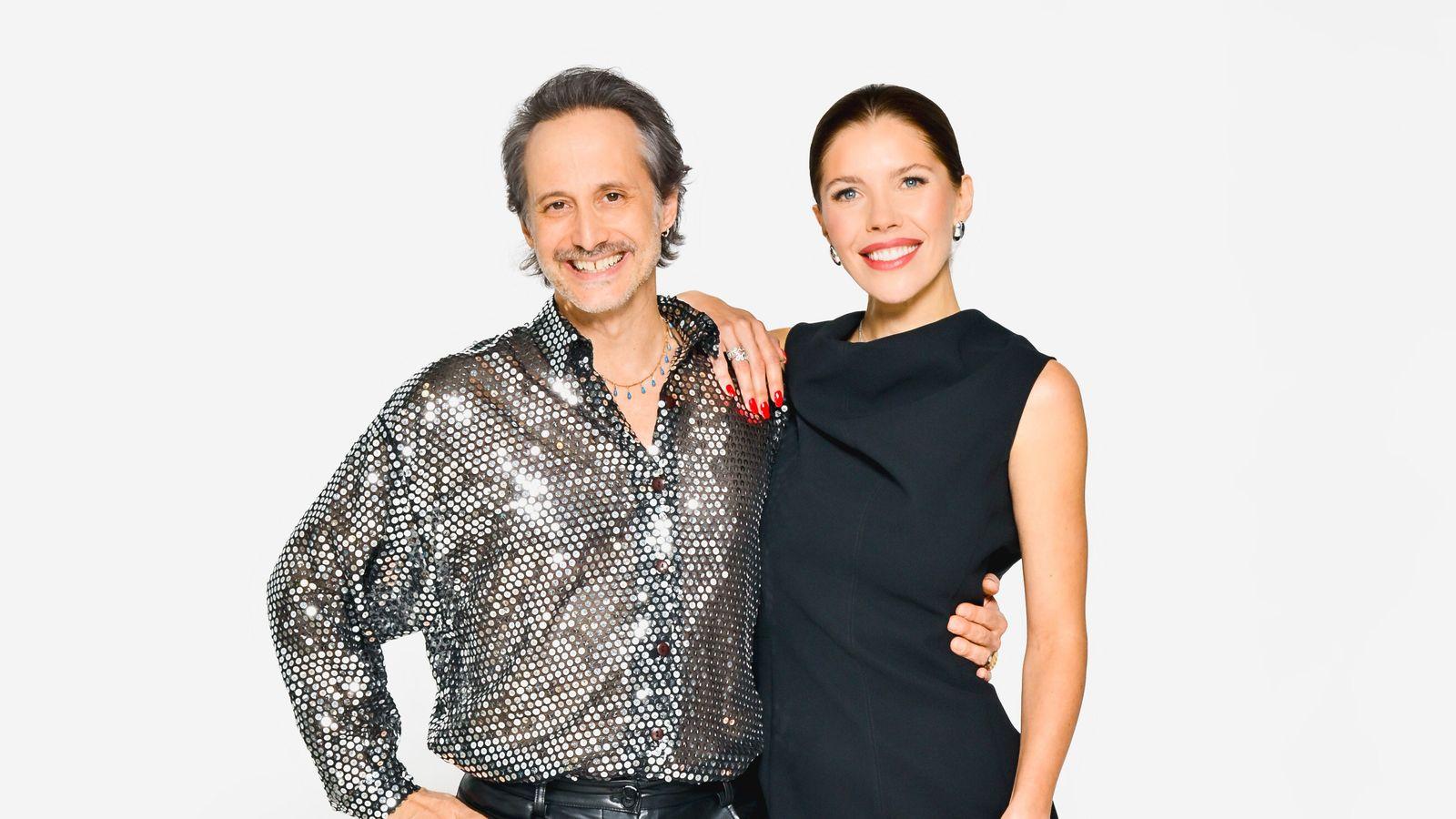 The interval act for the first Semi-Final will feature a humorous sketch addressing the confusing issue of “How to distinguish between Austria and Australia?” The segment will feature hosts Victoria Swarovski and Michael Ostrowski, who will team up with the 2025 Australian representative Go-Jo.
The second Semi-Final will be opened by Victoria Swarovski and Michael Ostrowski performing a comedic version of last year’s winning song, “Wasted Love“. In a perfectly coordinated transition, JJ will return to the stage to perform a new original song.
The Grand Final: A 70th Anniversary Celebration
The climax of Eurovision 2026 will arrive during the Grand Final on May 16th. The event will begin with the story of a small paper boat – originally part of the winning performance last year – finding its way from Switzerland through the Rhine and Danube rivers to Vienna. The opening performance, titled “Queen of the Night”, will see the reigning winner return to the stage, blending his voice with elements from the works of Mozart and his own music as the 25 finalists enter the Wiener Stadthalle.
During the voting break, three high-level interval acts will be featured. The first, “Celebration!”, will see Eurovision stars from across the decades performing new versions of legendary songs. The participating artists include:
-
Verka Serduchka, who represented Ukraine in 2007 with the hit “Dancing Lasha Tumbai“.
-
Erika Vikman, who represented Finland in 2025 with the song “Ich Komme“.
-
Lordi, the Finnish band that won Eurovision 2006 with “Hard Rock Hallelujah“.
-
Il Volo, the trio that performed “Grande Amore” in 2015.
Following this, electro-swing icon Parov Stelar will perform, followed by Cesár Sampson, who achieved third place for Austria in 2018 with “Nobody But You“. He will perform a soul version of Billy Joel‘s “Vienna“. In the Grand Final, hosts Victoria Swarovski and Michael Ostrowski will have a bet between them on ‘who can integrate as many winning Eurovision song titles from the past as possible into their hosting segments’.
Throughout the three broadcasts, a character named “Professor Eurovision” will answer unusual questions about the contest, while Michael Ostrowski will test the contestants’ knowledge in a “Eurovision Quiz” featuring surprising clips from the past 69 years. The Vienna Radio Symphony Orchestra also recorded numerous musical contributions for the production.
Eurovision 2026: the 70th edition of the contest will take place in Vienna, Austria, on May 12th, 14th, and 16th, 2026. The Wiener Stadthalle arena, which will host the event, is expected to accommodate around 16,000 spectators per show. The contest returns to Austria following the nation’s third historic win with the song “Wasted Love”, performed by JJ. It will be Austria’s third time hosting Eurovision, after previous editions held in the country in 1967 and 2015.

Email: [email protected]
Phone: +972-50-9441919
Ilay Gaist is a leading Israeli content creator and writer specializing in the Eurovision Song Contest. He is a well-known commentator with extensive expertise in the contest’s history, rules, and dynamics. His passion for Eurovision drives him to deliver rich, professional, and innovative content to his audience.
Ilay holds a bachelor’s degree in Arabic and has a multilingual background. He also engages in cultural research, with a particular focus on global culinary traditions and the evolution of local cuisines around the world.